Tavex uses cookies to ensure website functionality and improve your user experience. Collecting data from cookies helps us provide the best experience for you, keeps your account secure and allows us to personalise advert content. You can find out more in our cookie policy.
Please select what cookies you allow us to use
Cookies are small files of letters and digits downloaded and saved on your computer or another device (for instance, a mobile phone, a tablet) and saved in your browser while you visit a website. They can be used to track the pages you visit on the website, save the information you enter or remember your preferences such as language settings as long as you’re browsing the website.
Cookie usage
Necessary cookies
| Cookie name | Cookie description | Cookie duration |
|---|---|---|
| tavex_cookie_consent | Stores cookie consent options selected | 60 weeks |
| tavex_customer | Tavex customer ID | 30 days |
| wp-wpml_current_language | Stores selected language | 1 day |
| AWSALB | AWS ALB sticky session cookie | 6 days |
| AWSALBCORS | AWS ALB sticky session cookie | 6 days |
| NO_CACHE | Used to disable page caching | 1 day |
| PHPSESSID | Identifier for PHP session | Session |
| latest_news | Helps to keep notifications relevant by storing the latest news shown | 29 days |
| latest_news_flash | Helps to keep notifications relevant by storing the latest news shown | 29 days |
| tavex_recently_viewed_products | List of recently viewed products | 1 day |
| tavex_compare_amount | Number of items in product comparison view | 1 day |
Preference cookies
| Cookie name | Cookie description | Cookie duration |
|---|---|---|
| chart-widget-tab-*-*-* | Remembers last chart options (i.e currency, time period, etc) | 29 days |
| archive_layout | Stores selected product layout on category pages | 1 day |
Targeting cookies
| Cookie name | Cookie description | Cookie duration |
|---|---|---|
| cartstack.com-* | Used for tracking abandoned shopping carts | 1 year |
| _omappvp | Used by OptinMonster for determining new vs. returning visitors. Expires in 11 years | 11 years |
| _omappvs | Used by OptinMonster for determining when a new visitor becomes a returning visitor | Session |
| om* | Used by OptinMonster to track interactions with campaigns | Persistent |
Analytical cookies
| Cookie name | Cookie description | Cookie duration |
|---|---|---|
| _ga | Used to distinguish users | 2 years |
| _gid | Used to distinguish users | 24 hours |
| _ga_* | Used to persist session state | 2 years |
| _gac_* | Contains campaign related information | 90 days |
| _gat_gtag_* | Used to throttle request rate | 1 minute |
| _fbc | Facebook advertisement cookie | 2 years |
| _fbp | Facebook cookie for distinguishing unique users | 2 years |

Why Does Silver Tarnishing Happen (and Does It Hurt Its Value)?
Published by Ashleigh Dowman in category Precious Metal Information Guides on 28.07.2026
Gold price (XAU-GBP)
3,125.42 GBP/oz
- GBP17.27
Silver price (XAG-GBP)
42.75 GBP/oz
- GBP0.48

Why Does Silver Tarnishing Happen (and Does It Hurt Its Value)?
Have you ever pulled a cherished silver coin or a heavy bullion bar from the depths of your safe, only to discover it covered in a dark, yellowish-black film? For investors and collectors alike, witnessing a previously gleaming asset lose its lustre can be a sudden source of anxiety.
If you have ever found yourself searching for a comprehensive guide on why silver tarnishes: chemistry, storage tips, cleaning dos and don’ts, and whether tarnish affects bullion value in the UK, you have arrived at the definitive resource. Let us delve into the fascinating science behind this natural process, explore actionable preservation techniques, and finally answer whether that dark patina genuinely threatens the worth of your portfolio.
The Science of the Stain: Why Does Silver Tarnish?
To truly grasp how to protect your precious metals, we must first look at basic chemistry to answer a common question: why does silver tarnish? Many people mistakenly believe that oxygen is the primary culprit, likening the process to iron rusting. However, the real instigator is sulfur.
When your bullion is exposed to sulfur-containing gases in the ambient air, it undergoes a natural silver sulfide chemical reaction. This process creates a thin, dark surface layer on the metal. If you are wondering precisely what causes silver to turn black, it is overwhelmingly due to the hydrogen sulfide effect on precious metals. Hydrogen sulfide is ubiquitous; it is emitted by everyday household items such as onions, eggs, wool, rubber bands, and even general atmospheric pollution from car exhausts.
It is also important to understand the fine silver vs sterling silver tarnish rate. Pure investment-grade bullion (.999 fine silver) reacts with airborne sulfur relatively slowly. Conversely, sterling silver (.925), frequently used for jewellery and historic coinage, contains 7.5% copper. Copper reacts far more aggressively to environmental pollutants, meaning sterling items will tarnish significantly faster and darker than your pure fine silver bars.
Interestingly, this natural vulnerability has an unexpected benefit. Seasoned collectors often ask: is tarnished silver a sign of authenticity? In many cases, yes. Because genuine silver chemically reacts with its environment over time, the presence of natural tarnish (often referred to in numismatic circles as ‘toning’) can serve as a reassuring visual indicator that the metal is genuine. Counterfeit silver alloys or plated base metals often stay stubbornly shiny or simply flake away, rather than developing that characteristic gradient patina.
Does Tarnish Hurt Your Investment?
For British stackers, the most pressing concern is whether a dull, discoloured appearance will damage their bottom line. So, does silver tarnish reduce value? Generally speaking, for standard physical bullion, the answer is a resounding no.
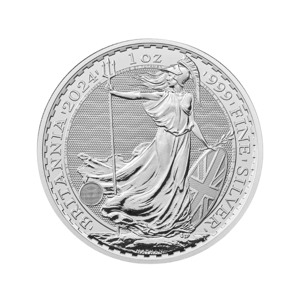
When assessing does tarnish affect silver bullion resale value, you must remember the fundamental nature of the asset. Bullion is valued based on its spot market weight and overall metal purity, not its aesthetic perfection. If you are selling tarnished silver Britannia coins UK dealers and online buyers will typically offer you the standard spot price—plus any applicable market premium—regardless of whether the coin is brilliantly shiny or heavily toned. The intrinsic value of the silver remains entirely intact beneath that thin layer of sulfide.
Ultimately, maintaining silver bullion investment quality is more about preserving the physical weight and avoiding deep scratches or dents than keeping the surface meticulously polished. In fact, for rare collectable coins, attractive natural toning can occasionally increase the market value, as collectors frequently prize unique, rainbow-like oxidation patterns.
How to Properly Store Silver Bullion
While tarnish might not harm the intrinsic value of your investment, many investors simply prefer their holdings to look pristine. To achieve this, knowing how to store silver bullion correctly is absolutely essential. By minimising exposure to the elements, you can keep your assets looking as brilliant as the day they were minted.
Here are the best ways to store silver coins and bars to protect their original mint finish:
- Control the Climate: Moisture drastically accelerates the chemical tarnishing process. While the reaction is technically sulfidation rather than true oxidation, preventing silver oxidation in humid environments is a priority. Keep your bullion in a dry, climate-controlled safe, and place silica gel packets nearby to actively absorb excess ambient moisture.
- Use Airtight Containers: Direct exposure to circulating indoor air continuously brings fresh hydrogen sulfide to your silver’s surface. Keep your pieces enclosed in airtight coin capsules or sealed plastic bullion tubes. Crucially, ensure the plastic you use is entirely PVC-free, as PVC off-gasses acids that cause severe, irreversible green damage.
- Deploy Protective Inserts: Consider utilising anti-tarnish strips for silver bullion. These small, inexpensive slips of treated paper are designed to absorb atmospheric sulfur before it has the chance to interact with your precious metals, offering excellent long-term defence inside a safe or storage box.
Cleaning Dos and Don’ts for Precious Metals
If you have decided that you want to restore the shine to your collection, you must proceed with extreme caution. The golden rule for cleaning silver coins is simple: if in doubt, leave them alone.
If you absolutely must intervene, here is how to clean tarnished silver safely without destroying its surface integrity:
The Risks of Over-Cleaning
Before you begin, you must clearly understand why you should not over-clean rare silver coins. Harsh scrubbing or abrasive polishing creates microscopic scratches on the surface of the metal. This permanently strips away the original mint lustre, immediately destroying any numismatic premium the coin might hold. A heavily polished rare coin will almost always be worth significantly less than a tarnished one.
Choosing the Right Tools
When deciding between a silver dip vs polishing cloth, opt for a high-quality, non-abrasive jeweller’s polishing cloth, and strictly reserve its use for standard bullion bars or generic rounds with light surface tarnish. Liquid silver dips contain incredibly harsh acids designed to strip away a microscopic layer of the metal itself. They cause microscopic pitting over time and leave coins looking unnaturally stark and “washed out.” Dips should practically never be used, especially on coins featuring frosted or proof finishes.
The Safe DIY Method
For heavily toned standard bullion pieces, an incredibly popular and safe electrochemical trick involves removing silver tarnish with baking soda and aluminum foil (or aluminium foil, as we spell it here in the UK).
- Line a heat-proof glass dish with the foil (shiny side up).
- Place your silver directly onto the foil, ensuring physical contact.
- Sprinkle a generous spoonful of baking soda over the silver.
- Pour boiling water into the dish until the silver is fully submerged.
This creates a harmless chemical reaction that literally reverses the tarnishing process, transferring the sulfur from the silver onto the foil. It leaves your bullion exceptionally bright without the need for any destructive scrubbing. Please note: Only ever use this method on standard bullion pieces—never on historic, rare, or graded collectable coins.
Final Thoughts
Silver’s natural tendency to darken is an entirely unavoidable part of its elemental chemistry. Whether you choose to embrace the unique patina as a mark of authenticity, or rigorously defend against it using airtight capsules and anti-tarnish strips, rest assured that the underlying value of your precious metal is safe. By understanding the chemistry, investing in proper storage, and following strictly safe cleaning protocols, you can ensure your silver portfolio remains a strong, secure, and beautiful financial asset for decades to come.
if you have any questions about your silver bullion, give us a call or book a free consultation with our head dealer or one of our precious metals consultants.
Gold price (XAU-GBP)
3,125.42 GBP/oz
- GBP17.27
Silver price (XAG-GBP)
42.75 GBP/oz
- GBP0.48