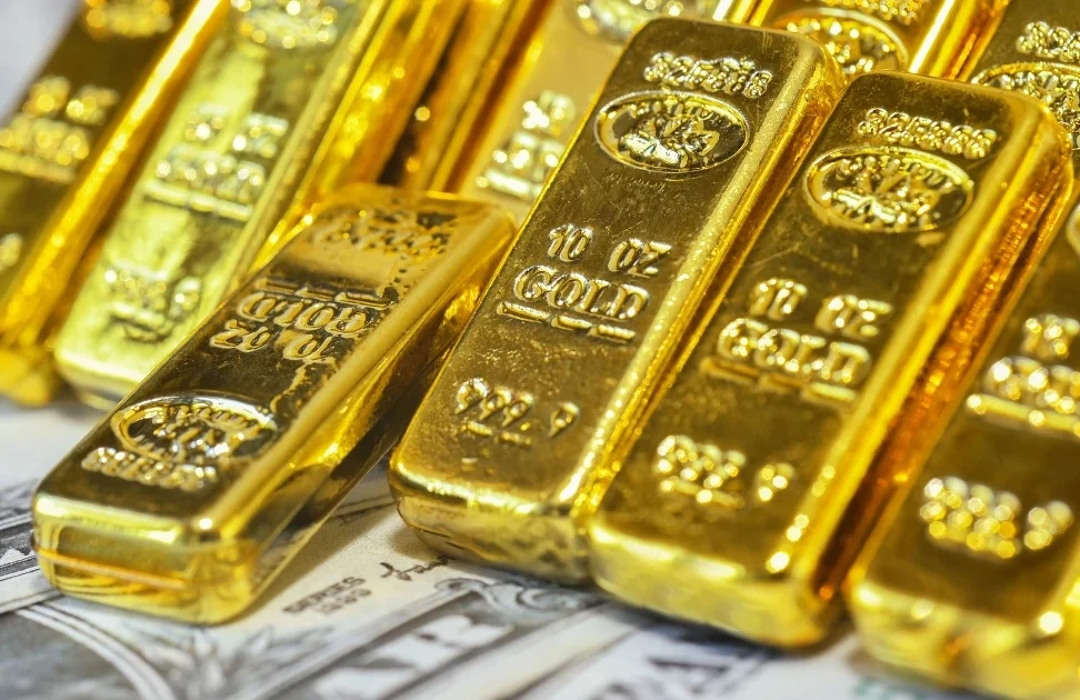
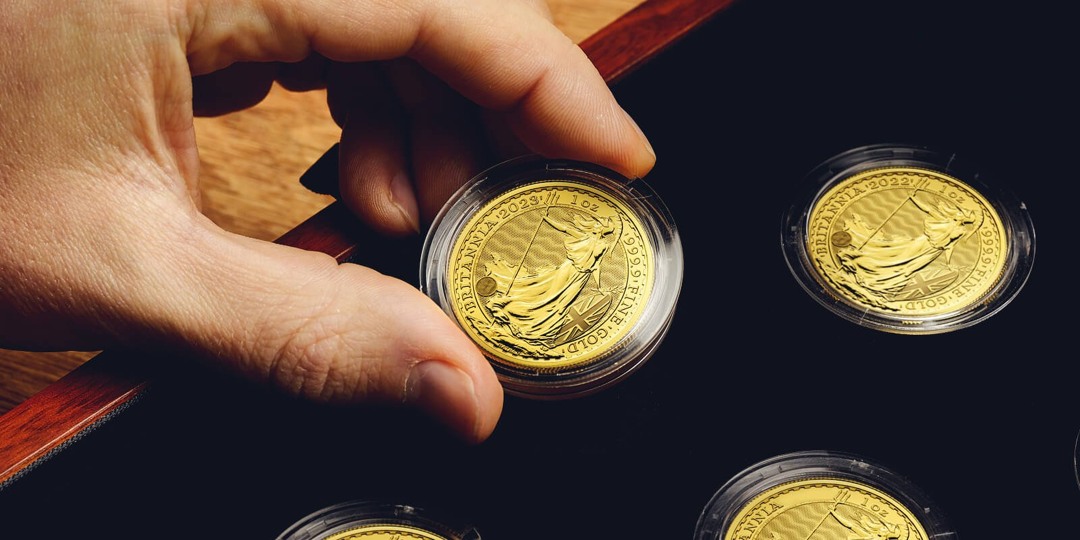
Tavex uses cookies to ensure website functionality and improve your user experience. Collecting data from cookies helps us provide the best experience for you, keeps your account secure and allows us to personalise advert content. You can find out more in our cookie policy.
Please select what cookies you allow us to use
Cookies are small files of letters and digits downloaded and saved on your computer or another device (for instance, a mobile phone, a tablet) and saved in your browser while you visit a website. They can be used to track the pages you visit on the website, save the information you enter or remember your preferences such as language settings as long as you’re browsing the website.
Cookie usage
Necessary cookies
| Cookie name | Cookie description | Cookie duration |
|---|---|---|
| tavex_cookie_consent | Stores cookie consent options selected | 60 weeks |
| tavex_customer | Tavex customer ID | 30 days |
| wp-wpml_current_language | Stores selected language | 1 day |
| AWSALB | AWS ALB sticky session cookie | 6 days |
| AWSALBCORS | AWS ALB sticky session cookie | 6 days |
| NO_CACHE | Used to disable page caching | 1 day |
| PHPSESSID | Identifier for PHP session | Session |
| latest_news | Helps to keep notifications relevant by storing the latest news shown | 29 days |
| latest_news_flash | Helps to keep notifications relevant by storing the latest news shown | 29 days |
| tavex_recently_viewed_products | List of recently viewed products | 1 day |
| tavex_compare_amount | Number of items in product comparison view | 1 day |
Preference cookies
| Cookie name | Cookie description | Cookie duration |
|---|---|---|
| chart-widget-tab-*-*-* | Remembers last chart options (i.e currency, time period, etc) | 29 days |
| archive_layout | Stores selected product layout on category pages | 1 day |
Targeting cookies
| Cookie name | Cookie description | Cookie duration |
|---|---|---|
| cartstack.com-* | Used for tracking abandoned shopping carts | 1 year |
| _omappvp | Used by OptinMonster for determining new vs. returning visitors. Expires in 11 years | 11 years |
| _omappvs | Used by OptinMonster for determining when a new visitor becomes a returning visitor | Session |
| om* | Used by OptinMonster to track interactions with campaigns | Persistent |
Analytical cookies
| Cookie name | Cookie description | Cookie duration |
|---|---|---|
| _ga | Used to distinguish users | 2 years |
| _gid | Used to distinguish users | 24 hours |
| _ga_* | Used to persist session state | 2 years |
| _gac_* | Contains campaign related information | 90 days |
| _gat_gtag_* | Used to throttle request rate | 1 minute |
| _fbc | Facebook advertisement cookie | 2 years |
| _fbp | Facebook cookie for distinguishing unique users | 2 years |

“Gold Is Trading Like Bitcoin”: What Happened to Gold Prices in January 2026
Published by honor in category Market News on 06.02.2026
Gold price (XAU-GBP)
3,589.26 GBP/oz
+ GBP73.68
Silver price (XAG-GBP)
56.89 GBP/oz
+ GBP1.90

“Gold is trading like Bitcoin” was a phrase heard repeatedly this past week, as precious-metal markets experienced one of their most volatile periods in decades.
The first month of 2026 ended with a dramatic surge in prices, followed by a sharp correction, a pattern more often associated with cryptocurrencies than with traditional safe-haven assets like gold.
What Happened to the Gold Price?
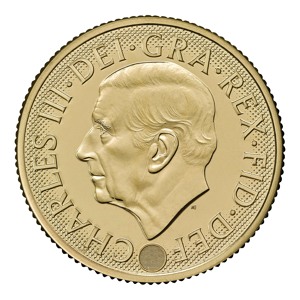
Gold opened on Monday, January 26, trading around $5,100 per troy ounce, which was already a record level at the time. What followed was an explosive rally:
- Tuesday: Prices jumped to around $5,300
- Wednesday: Gold surged further, briefly exceeding $5,600 per ounce
However, the rapid rise was followed by an even faster reversal. By the end of the week, gold had fallen nearly 11%, closing just under $4,900 per ounce. There was a high level of market volatility over the space of 24 hours.
View live gold and silver price charts here.
Silver Followed With Even Bigger Swings
Silver mirrored gold’s trajectory but with amplified volatility. Prices broke above $120 per ounce before falling sharply to around $85.
This wider trading range is typical for silver. Its smaller market size makes it more sensitive to speculative flows and sudden shifts in investor sentiment, which often leads to sharper price movements than those seen in gold.
Why Did Precious Metals Fall So Suddenly?
The sharp correction came after the announcement of a new chairman of the Federal Reserve. The appointment of Kevin Warsh unsettled markets, as his name is widely associated with a more restrictive monetary stance.
Some investors fear that Warsh could support:
- Higher interest rates
- A stronger US dollar
Historically, both conditions tend to pressure gold prices, as higher yields reduce the appeal of non-yielding assets like precious metals.
Is This Correction a Bad Sign for Gold?

Not necessarily. The pullback brought gold prices back to their January 22 levels, effectively erasing the most speculative part of the rally. A similar pattern was seen in October last year, when prices corrected after rapid gains, only to resume their upward trend later.
As Max Baklayan from Tavex explains:
“Sharp movements should not be interpreted as a signal of panic, but as a normal part of the market cycle. Nothing grows forever. After strong and rapid growth, corrections are completely natural and even healthy.”
With gold having gained over 100% in the past year, a correction of around 10% is not abnormal, it is a typical market reaction after an extended rally.
Long-Term Gold Outlook Remains Intact
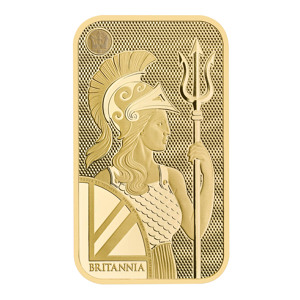
Despite recent volatility, gold is still trading significantly higher than a year ago, suggesting that the broader bullish trend has not been broken.
Baklayan stresses that gold should not be treated as a short-term trading instrument:
“Gold is not a tool for speculation. It requires an understanding of the fundamentals and a long-term horizon, at least five years. It is in such moments of high volatility that the difference between an investment and an emotional decision becomes clear.”
He also notes that central banks and large institutional investors continue to increase their gold reserves, reinforcing long-term demand.
How High Can Gold Go?
Looking beyond short-term price swings, Baklayan remains firmly bullish:
“With this scale of change, my long-term forecast remains that by the end of the current bullish cycle, gold will pass the psychological threshold of $10,000 per troy ounce.”
Key Takeaway
While January’s price action was dramatic, it does not change the long-term fundamentals of the gold market. Volatility, even extreme volatility, is a natural feature of strong bull markets, not a sign that the trend has ended.
For long-term investors, the recent correction may be less a warning sign and more a reminder: gold rewards patience, not panic.
Gold price (XAU-GBP)
3,589.26 GBP/oz
+ GBP73.68
Silver price (XAG-GBP)
56.89 GBP/oz
+ GBP1.90