Tavex uses cookies to ensure website functionality and improve your user experience. Collecting data from cookies helps us provide the best experience for you, keeps your account secure and allows us to personalise advert content. You can find out more in our cookie policy.
Please select what cookies you allow us to use
Cookies are small files of letters and digits downloaded and saved on your computer or another device (for instance, a mobile phone, a tablet) and saved in your browser while you visit a website. They can be used to track the pages you visit on the website, save the information you enter or remember your preferences such as language settings as long as you’re browsing the website.
Cookie usage
Necessary cookies
| Cookie name | Cookie description | Cookie duration |
|---|---|---|
| tavex_cookie_consent | Stores cookie consent options selected | 60 weeks |
| tavex_customer | Tavex customer ID | 30 days |
| wp-wpml_current_language | Stores selected language | 1 day |
| AWSALB | AWS ALB sticky session cookie | 6 days |
| AWSALBCORS | AWS ALB sticky session cookie | 6 days |
| NO_CACHE | Used to disable page caching | 1 day |
| PHPSESSID | Identifier for PHP session | Session |
| latest_news | Helps to keep notifications relevant by storing the latest news shown | 29 days |
| latest_news_flash | Helps to keep notifications relevant by storing the latest news shown | 29 days |
| tavex_recently_viewed_products | List of recently viewed products | 1 day |
| tavex_compare_amount | Number of items in product comparison view | 1 day |
Preference cookies
| Cookie name | Cookie description | Cookie duration |
|---|---|---|
| chart-widget-tab-*-*-* | Remembers last chart options (i.e currency, time period, etc) | 29 days |
| archive_layout | Stores selected product layout on category pages | 1 day |
Targeting cookies
| Cookie name | Cookie description | Cookie duration |
|---|---|---|
| cartstack.com-* | Used for tracking abandoned shopping carts | 1 year |
| _omappvp | Used by OptinMonster for determining new vs. returning visitors. Expires in 11 years | 11 years |
| _omappvs | Used by OptinMonster for determining when a new visitor becomes a returning visitor | Session |
| om* | Used by OptinMonster to track interactions with campaigns | Persistent |
Analytical cookies
| Cookie name | Cookie description | Cookie duration |
|---|---|---|
| _ga | Used to distinguish users | 2 years |
| _gid | Used to distinguish users | 24 hours |
| _ga_* | Used to persist session state | 2 years |
| _gac_* | Contains campaign related information | 90 days |
| _gat_gtag_* | Used to throttle request rate | 1 minute |
| _fbc | Facebook advertisement cookie | 2 years |
| _fbp | Facebook cookie for distinguishing unique users | 2 years |


The photos are used for illustration purposes only and may not be an exact representation of the product.
VND to GBP: Buy Vietnamese Dong (VND)
Currency in Vietnam – The Vietnamese Dong (VND)
Planning a trip to Vietnam and wondering about the VND currency or whether to take cash before you go? The official currency of Vietnam is the Vietnamese dong (VND). The currency symbol is “₫”, and you’ll often see prices written with this symbol or simply as numbers followed by “VND”.
Whether you're checking the VND to GBP rate or looking to buy Vietnamese dong ahead of your trip, understanding how the currency works will help you budget effectively and avoid unnecessary costs.
What Currency Should You Take to Vietnam?
If you're travelling from the UK, you'll likely be comparing British pounds (GBP) to Vietnamese dong (VND), checking the GBP to VND exchange rate, or using a pounds-to-VND converter before you travel. Planning ahead can help you secure a better rate and avoid higher costs overseas.
Cash vs Card in Vietnam
Card payments are accepted in major cities such as Hanoi and Ho Chi Minh City, particularly in hotels, shopping centres, and larger restaurants. However, Vietnam is still largely a cash-based economy, and cash is essential for everyday spending. Cash is especially useful for:
- Avoiding foreign transaction fees from UK banks
- Paying in street markets, small shops, and local eateries
- Covering transport such as taxis, motorbike rides, and buses
- Making quick, low-value purchases
While digital payments are growing in popularity, relying only on cards may not always be convenient. Having Vietnamese dong in cash gives you more flexibility and control over your spending.
ATM Fees in Vietnam
ATMs are widely available in cities and tourist areas, but withdrawing cash with a UK card can lead to additional fees from both your bank and local ATM providers. Withdrawal limits may also apply, meaning multiple transactions (and fees). Exchange rates at ATMs may not be the most competitive, so bringing VND with you is often better value.
Tipping in Vietnam
Tipping is not mandatory in Vietnam, but it is increasingly appreciated, especially in tourist areas. In restaurants, hotels, and for tour guides or drivers, small tips are a nice gesture for good service. Carrying smaller VND notes can be helpful if you choose to tip.
VND to GBP Exchange Rate
Keeping an eye on the VND to GBP rate helps you understand how much your money is worth. Whether you're tracking GBP to VND, comparing rates, or checking how much £1 converts to in Vietnamese dong, remember that exchange rates fluctuate daily.
GBP to VND: Quick Conversions
Use a live currency converter for the latest Vietnamese dong exchange rate. Some useful conversions for your trip may include:
- £1 in VND: changes daily, worth monitoring
- £50 to VND: helpful for daily expenses
- £100 to VND: a typical amount for travellers
- £500 to VND: useful for hotels, tours, and larger purchases
For the most accurate conversions, use an up-to-date currency calculator before exchanging. A VND currency cheat sheet can also be handy for quick reference while travelling.
Why Buy VND from Tavex?
When you're ready to buy foreign currency such as Vietnamese dong, Tavex offers a reliable and competitive travel money service. With a wide range of currencies available, you can prepare for your trip with ease. Benefits include:
- Competitive GBP to VND exchange rates with no commission
- Rate guarantee when you order online
- Click & collect from the Hatton Garden shop in London
- Fast and secure home delivery across the UK
- Walk-in service for last-minute travel needs
Tavex helps you get better value when converting British pounds to Vietnamese dong.
About the Vietnamese Dong
The Vietnamese dong is divided into 10 hào and 100 xu, although these smaller units are no longer used in everyday transactions. Due to inflation, the currency typically involves larger numerical values, so prices can appear high at first glance.
Banknotes and Coins:
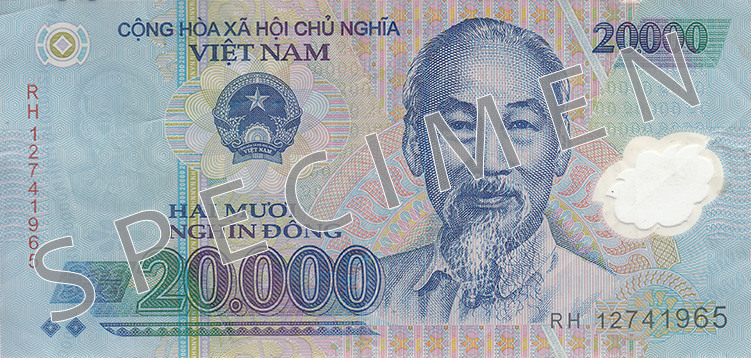
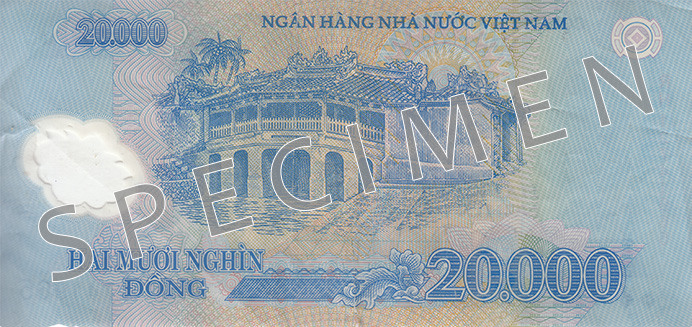
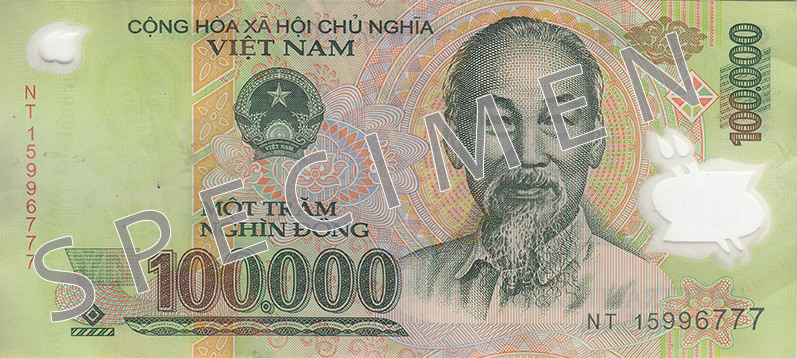
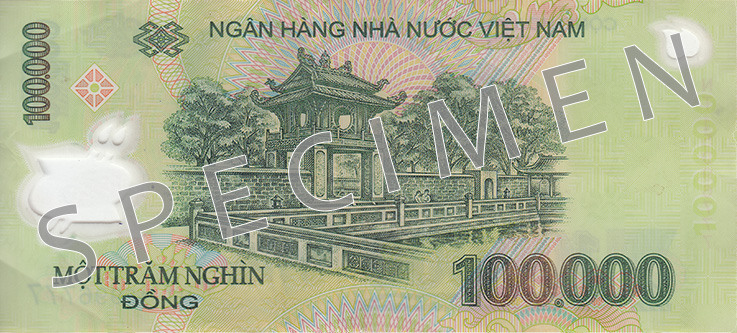
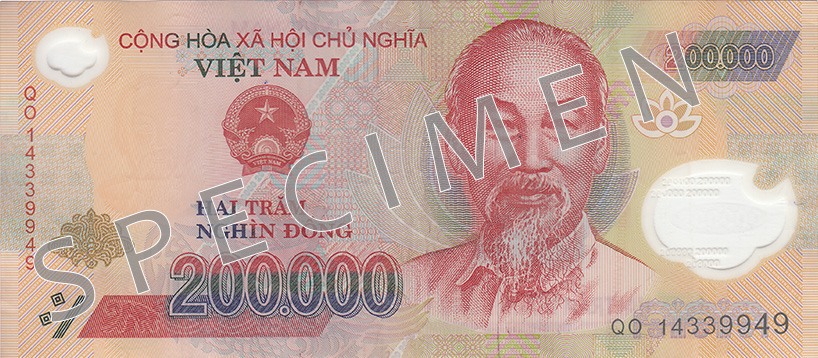
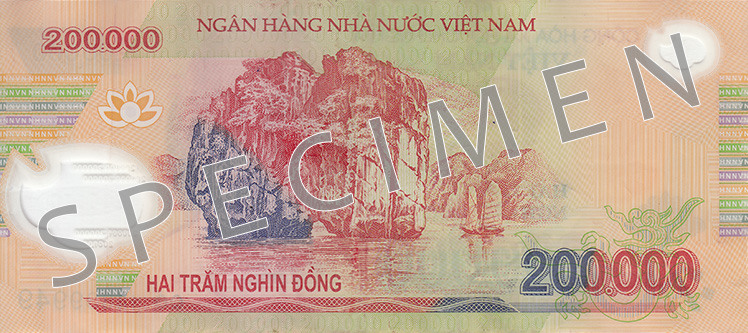
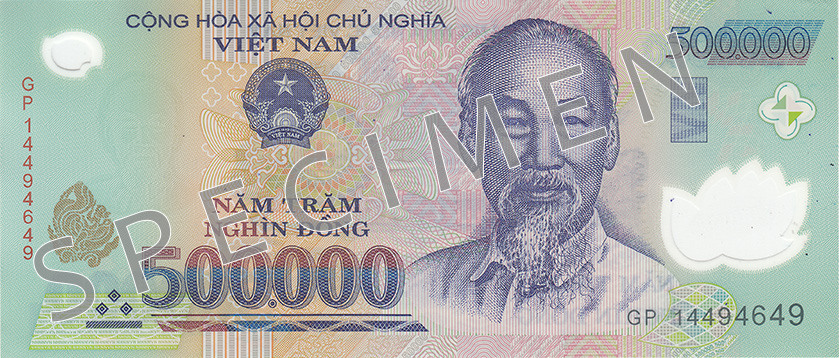
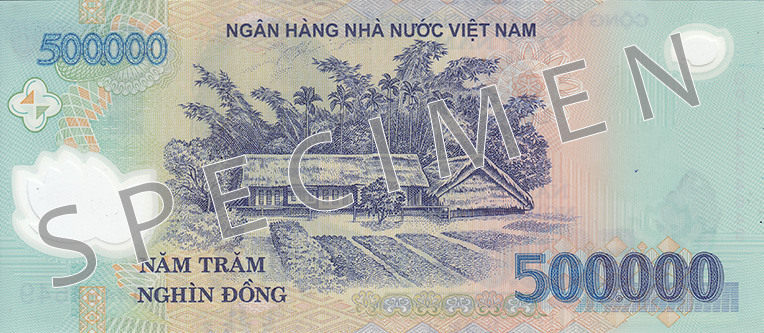
- Banknotes: 1,000; 2,000; 5,000; 10,000; 20,000; 50,000; 100,000; 200,000; 500,000 VND
- Coins: Rarely used in circulation
Whether you're exploring bustling cities, relaxing on Vietnam’s beaches, or discovering its rich history and cuisine, having your VND currency ready in advance will make your trip smoother and more cost-effective.
Currency
Open: -
Close: -
Low: -
High: -
Current rate %


