Tavex uses cookies to ensure website functionality and improve your user experience. Collecting data from cookies helps us provide the best experience for you, keeps your account secure and allows us to personalise advert content. You can find out more in our cookie policy.
Please select what cookies you allow us to use
Cookies are small files of letters and digits downloaded and saved on your computer or another device (for instance, a mobile phone, a tablet) and saved in your browser while you visit a website. They can be used to track the pages you visit on the website, save the information you enter or remember your preferences such as language settings as long as you’re browsing the website.
Cookie usage
Necessary cookies
| Cookie name | Cookie description | Cookie duration |
|---|---|---|
| tavex_cookie_consent | Stores cookie consent options selected | 60 weeks |
| tavex_customer | Tavex customer ID | 30 days |
| wp-wpml_current_language | Stores selected language | 1 day |
| AWSALB | AWS ALB sticky session cookie | 6 days |
| AWSALBCORS | AWS ALB sticky session cookie | 6 days |
| NO_CACHE | Used to disable page caching | 1 day |
| PHPSESSID | Identifier for PHP session | Session |
| latest_news | Helps to keep notifications relevant by storing the latest news shown | 29 days |
| latest_news_flash | Helps to keep notifications relevant by storing the latest news shown | 29 days |
| tavex_recently_viewed_products | List of recently viewed products | 1 day |
| tavex_compare_amount | Number of items in product comparison view | 1 day |
Preference cookies
| Cookie name | Cookie description | Cookie duration |
|---|---|---|
| chart-widget-tab-*-*-* | Remembers last chart options (i.e currency, time period, etc) | 29 days |
| archive_layout | Stores selected product layout on category pages | 1 day |
Targeting cookies
| Cookie name | Cookie description | Cookie duration |
|---|---|---|
| cartstack.com-* | Used for tracking abandoned shopping carts | 1 year |
| _omappvp | Used by OptinMonster for determining new vs. returning visitors. Expires in 11 years | 11 years |
| _omappvs | Used by OptinMonster for determining when a new visitor becomes a returning visitor | Session |
| om* | Used by OptinMonster to track interactions with campaigns | Persistent |
Analytical cookies
| Cookie name | Cookie description | Cookie duration |
|---|---|---|
| _ga | Used to distinguish users | 2 years |
| _gid | Used to distinguish users | 24 hours |
| _ga_* | Used to persist session state | 2 years |
| _gac_* | Contains campaign related information | 90 days |
| _gat_gtag_* | Used to throttle request rate | 1 minute |
| _fbc | Facebook advertisement cookie | 2 years |
| _fbp | Facebook cookie for distinguishing unique users | 2 years |

Gold vs Silver: Which Precious Metal Is the Better Investment?
Published by honor in category Precious Metal Information Guides on 23.01.2026
Gold price (XAU-GBP)
3,401.62 GBP/oz
+ GBP102.21
Silver price (XAG-GBP)
54.04 GBP/oz
+ GBP1.85

When it comes to precious metal investing, gold and silver have long been among the most popular choices for investors. Both metals offer unique advantages and can play different roles in a diversified investment portfolio.
In this guide, we explore the key differences between gold and silver, including price behaviour, volatility, liquidity, and taxation, to help you decide whether gold, silver, or a combination of both is right for you.
Why Invest in Precious Metals?
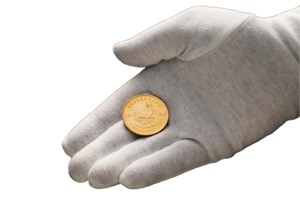
Investors have turned to precious metals for centuries due to their intrinsic value, scarcity, and resilience during economic uncertainty. Unlike fiat currencies, gold and silver cannot be printed or devalued by central banks.
Key benefits of investing in precious metals:
- Long-term value preservation
- Protection during inflation and financial crises
- Portfolio diversification
- Tangible, physical assets with global demand
Gold and silver continue to be relevant today as safe-haven assets in an increasingly uncertain economic and geopolitical environment.
Why Invest in Gold?
Gold has been used as a store of value for thousands of years and remains a cornerstone of modern investment portfolios.

Main reasons investors choose gold:
1. Historical reliability
Gold has functioned as money and wealth storage across civilisations and economic systems.
2. Safe-haven asset
During periods of market volatility, inflation, or geopolitical unrest, gold often holds its value better than equities.
3. Inflation hedge
Gold helps protect purchasing power when currencies lose value.
4. Portfolio diversification
Gold tends to move independently from stocks and bonds, helping reduce overall portfolio risk.
Why Invest in Silver?
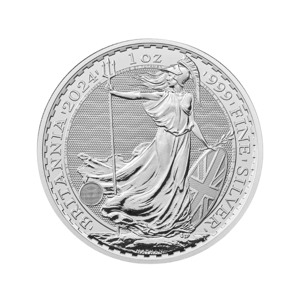
While silver is often seen as gold’s lesser-known counterpart, it offers distinct advantages that attract many investors.
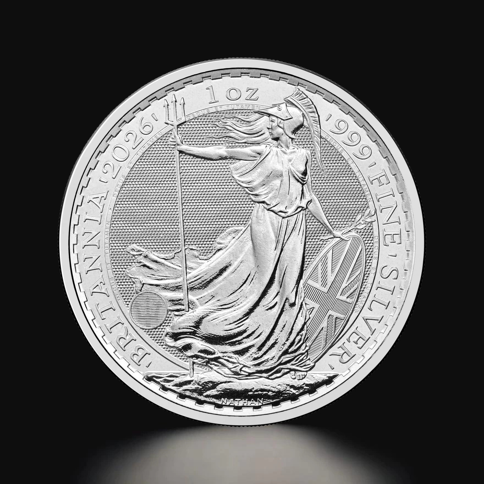
Key benefits of investing in silver:
Strong industrial demand
Silver is widely used in electronics, solar panels, medical equipment, and green technologies.
Lower entry price
Silver is significantly more affordable per ounce than gold, making it accessible to new investors.
Higher growth potential
Silver prices are historically more volatile, which can result in stronger percentage gains during bull markets.
Additional diversification
Like gold, silver can help balance risk within a broader investment strategy.
Silver and VAT: What Should Investors Know?
One important difference between gold and silver is VAT treatment
- Investment gold is VAT-exempt in most European countries.
- Silver, however, is normally subject to VAT (often 25%), which increases the initial purchase cost.
That said, some dealers offer second-hand VAT silver, where VAT has already been paid previously. This allows investors to purchase silver without paying VAT again, making silver more cost-efficient for long-term investing.
Key Differences Between Gold and Silver
1. Market Liquidity
- Gold: Highly liquid, with a large global market and tight spreads.
- Silver: Smaller market size, which can lead to sharper price movements.
2. Industrial Use
- Gold: Value driven mainly by investment and monetary demand.
- Silver: Influenced by both investment demand and industrial consumption.
Read more on the topic here: Industrial Use of Silver
3. Price and Gold-Silver Ratio
- Gold: Typically more expensive per ounce and more stable.
- Silver: Some investors monitor the gold-to-silver ratio to identify potential buying opportunities.
4. Volatility
- Gold: Generally less volatile and more stable.
- Silver: Higher volatility can mean greater upside—but also greater risk.
“The past year has been exceptionally strong for both gold and silver. Gold has risen significantly year-on-year, while silver has at times outperformed gold in percentage terms. This reflects both increased investor demand during geopolitical uncertainty and strong industrial demand, particularly for silver.”
— Amalie Sørensen, Head of Investments at Tavex
How Do You Choose Between Gold and Silver?
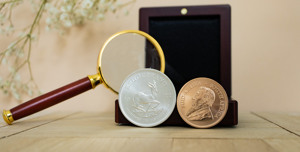
The right choice depends on your investment objectives and risk profile.
Consider the following:
- Investment goals: Capital preservation, inflation protection, or growth
- Risk tolerance: Comfort with price fluctuations
- Portfolio balance: How precious metals fit into your wider strategy
- Market conditions: Economic outlook and geopolitical factors at the time of purchase
Many investors choose to hold both metals to benefit from gold’s stability and silver’s growth potential.
Silver or Gold: Which Is Better?
There is no single correct answer to the gold vs silver investment question. Each metal serves a different purpose:
- Gold offers stability, protection, and long-term wealth preservation
- Silver provides affordability, industrial exposure, and higher growth potential
For many investors, a combined approach delivers the best balance between security and opportunity.
Final Thoughts
Investing in gold and silver can strengthen your portfolio, protect against uncertainty, and improve long-term financial resilience. Whether you choose gold, silver, or both, precious metals remain a proven and valuable component of a well-diversified investment strategy.
Gold price (XAU-GBP)
3,401.62 GBP/oz
+ GBP102.21
Silver price (XAG-GBP)
54.04 GBP/oz
+ GBP1.85