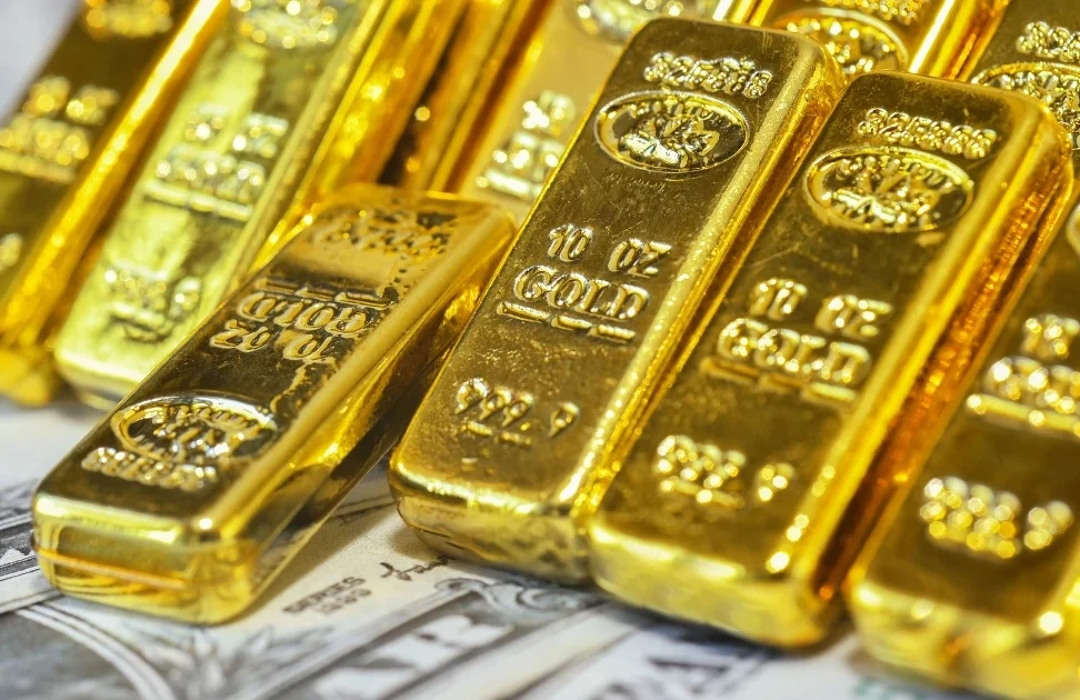
Tavex uses cookies to ensure website functionality and improve your user experience. Collecting data from cookies helps us provide the best experience for you, keeps your account secure and allows us to personalise advert content. You can find out more in our cookie policy.
Please select what cookies you allow us to use
Cookies are small files of letters and digits downloaded and saved on your computer or another device (for instance, a mobile phone, a tablet) and saved in your browser while you visit a website. They can be used to track the pages you visit on the website, save the information you enter or remember your preferences such as language settings as long as you’re browsing the website.
Cookie usage
Necessary cookies
| Cookie name | Cookie description | Cookie duration |
|---|---|---|
| tavex_cookie_consent | Stores cookie consent options selected | 60 weeks |
| tavex_customer | Tavex customer ID | 30 days |
| wp-wpml_current_language | Stores selected language | 1 day |
| AWSALB | AWS ALB sticky session cookie | 6 days |
| AWSALBCORS | AWS ALB sticky session cookie | 6 days |
| NO_CACHE | Used to disable page caching | 1 day |
| PHPSESSID | Identifier for PHP session | Session |
| latest_news | Helps to keep notifications relevant by storing the latest news shown | 29 days |
| latest_news_flash | Helps to keep notifications relevant by storing the latest news shown | 29 days |
| tavex_recently_viewed_products | List of recently viewed products | 1 day |
| tavex_compare_amount | Number of items in product comparison view | 1 day |
Preference cookies
| Cookie name | Cookie description | Cookie duration |
|---|---|---|
| chart-widget-tab-*-*-* | Remembers last chart options (i.e currency, time period, etc) | 29 days |
| archive_layout | Stores selected product layout on category pages | 1 day |
Targeting cookies
| Cookie name | Cookie description | Cookie duration |
|---|---|---|
| cartstack.com-* | Used for tracking abandoned shopping carts | 1 year |
| _omappvp | Used by OptinMonster for determining new vs. returning visitors. Expires in 11 years | 11 years |
| _omappvs | Used by OptinMonster for determining when a new visitor becomes a returning visitor | Session |
| om* | Used by OptinMonster to track interactions with campaigns | Persistent |
Analytical cookies
| Cookie name | Cookie description | Cookie duration |
|---|---|---|
| _ga | Used to distinguish users | 2 years |
| _gid | Used to distinguish users | 24 hours |
| _ga_* | Used to persist session state | 2 years |
| _gac_* | Contains campaign related information | 90 days |
| _gat_gtag_* | Used to throttle request rate | 1 minute |
| _fbc | Facebook advertisement cookie | 2 years |
| _fbp | Facebook cookie for distinguishing unique users | 2 years |

What Is a Mint? Definition, History, and the World’s Most Famous Mints
Published by honor in category Precious Metal Information Guides on 30.01.2026
Gold price (XAU-GBP)
3,598.71 GBP/oz
+ GBP66.73
Silver price (XAG-GBP)
56.86 GBP/oz
+ GBP0.10

What Is a Mint?
A mint is a specialised institution responsible for producing metal currency, including circulating coins, collector and commemorative issues, and various types of medals.
Modern mints, and refineries, are highly advanced industrial enterprises
They combine centuries-old minting traditions with cutting-edge technology, sophisticated security systems, and efficient production processes. As such, they play a vital role in every country’s monetary system, ensuring the reliable, secure, and sustainable production of coinage.
Historical Evolution of Monetary Institutions

Over the centuries, coin production evolved from small local workshops into centralised state institutions. Early minting relied on manual techniques and base metals, but between the 16th and 18th centuries mechanisation began to transform the process, alongside the use of more advanced metal alloys.
By the 20th and 21st centuries, mints had become strategic assets within national economies. Advanced security measures such as micro-engraving, laser marking, and precision milling were gradually introduced to combat counterfeiting and ensure trust in physical money.
Today, mints not only maintain the money supply but also contribute to national identity and international prestige
Core Functions of a Mint
Production of Circulating Coins
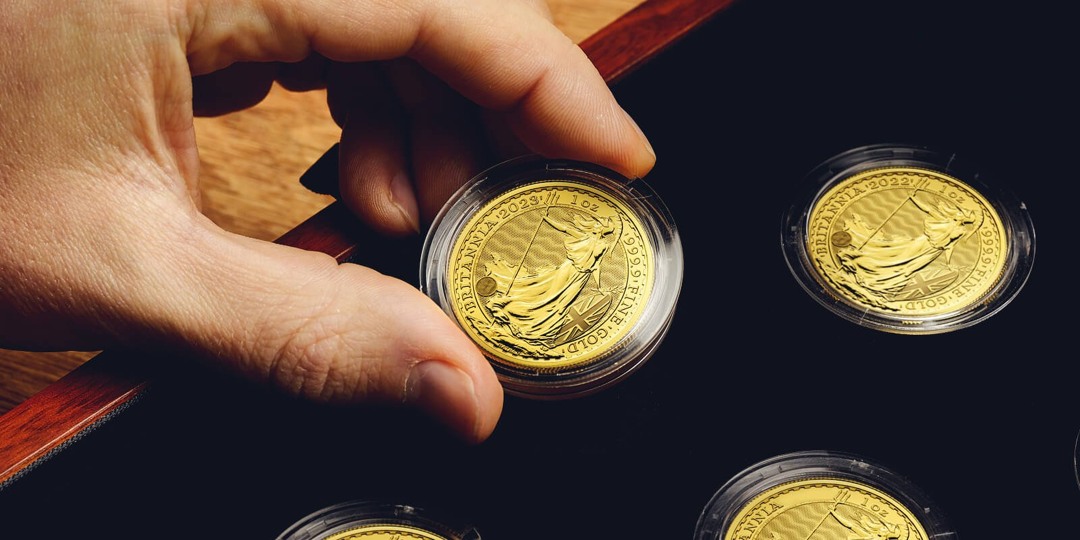
The most widely recognised role of a mint is the production of everyday coins used in daily transactions. In the UK, these can range from gold sovereigns, to British Britannias and more unique one off releases such as the Tudor Beasts series.
This process typically includes preparing metal blanks, cutting or punching round discs, striking the designs, performing quality inspections, and packaging the finished coins for distribution.
Production of Investment Coins and Bars
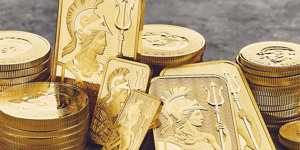
Many mints also produce investment products made from precious metals such as gold, silver, and platinum, also known as bullion products.
Well-known examples include the British Britannia, Australian Kangaroo, the Vienna Philharmonic, and the Canadian Maple Leaf. These coins are typically issued in both gold and silver, with high levels of purity.

Some mints also continue to strike historical coins known as restrikes. A notable example is the Austrian ducat, which is not made of pure gold, as it was originally used as circulating legal tender. Its fineness is 986 karat.
Commemorative and Limited Editions
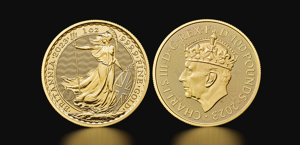
Mints frequently issue limited-edition coins to mark historical events, anniversaries, sporting achievements, or cultural milestones. These issues are especially popular with collectors and often sell out quickly.

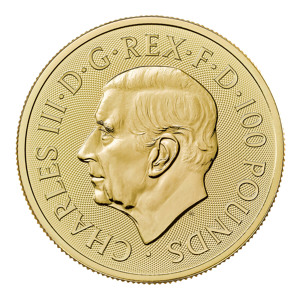
One example is the Jubilee Sovereign featuring King Charles III, marking the first appearance of the monarch on this iconic British coin.
Technological and Scientific Activities
Modern mints are not solely production facilities; they also engage in research and technological development. Key areas include:
- Development of new metal alloys with improved durability
- Enhanced security technologies to prevent counterfeiting
- Automation and digitalisation of production processes
In recent years, leading mints have introduced advanced security features for investment coins
A notable example is the use of micro-engraved markings and radial lines on certain coins, allowing for easy visual authentication.
At the same time, many mints are investing heavily in robotic production lines, automated quality control systems, and digital workflows, increasing efficiency while reducing costs and waste.
The Most Popular Mints in the World

The Australian Perth Mint: Artistry and Craftsmanship
The Perth Mint is the oldest continuously operating mint in Australia and is renowned for its artistic designs and exceptional quality.
Its Kangaroo and Lunar minted coin series are instantly recognisable and released annually with new designs, making them especially popular among collectors.
Mints of the Euro Area
Many European countries operate their own mints, each historically associated with at least one widely circulated gold coin in the bullion market.
Examples include Germany’s 20 marks, Austria’s ducat, France’s 20 francs, and the Netherlands’ 20 guilders. Today, these mints also produce euro coins featuring national symbols.
One of the most popular investment coins in Europe is the Vienna Philharmonic, produced by the Austrian Mint
It is unique in being denominated in euros, with the one-ounce gold coin carrying a face value of €100.
Royal Canadian Mint: Innovation and Purity
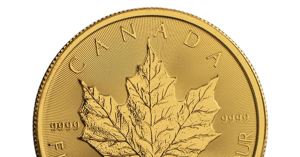
The Royal Canadian Mint is internationally recognised for its exceptional metal purity, often reaching 99.99%, and for its highly regarded Maple Leaf series, where the coin design features the iconic maple leaf emblem.
It is a leader in advanced security features such as radial lines and laser-microscopic markings, as well as in sustainable manufacturing practices.
United States Mint: Scale and Tradition
Founded in 1792, the United States Mint is one of the largest coin producers in the world.
Its most famous products include the American Eagle, historic reissues such as the Morgan and Peace Dollars, and the popular National Parks collector coin programme.
The Royal Mint: Heritage and Global Authority
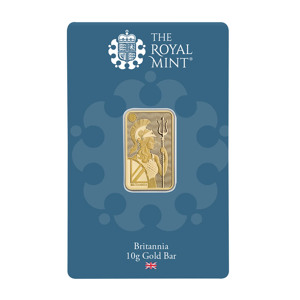
Established in 886, the Royal Mint is one of the oldest and most respected mints in existence
Today, it produces coins not only for the United Kingdom but also for more than 30 other countries.
It is best known for the Britannia investment series and the historic Sovereign coin, which has been minted for centuries. Since 1817, the Sovereign has featured the iconic design of St George slaying the dragon and remains legal tender today.
The Royal Mint exemplifies how tradition and innovation can coexist, having pioneered several modern security features, including advanced laser markings and optical effects.
Technological Innovations in Modern Coinage
Today’s mints use a wide range of advanced technologies, including:
- Robotic production lines
- Laser engraving systems
- Holograms and micro-relief elements
- Corrosion-resistant alloys
- Computer-aided design and modelling
These technologies allow for exceptional detail, enhanced security, and long-lasting durability.
Sustainability in Modern Minting
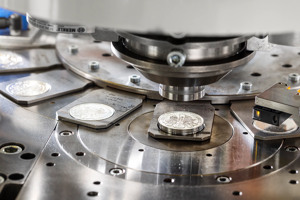
As environmental standards increase, mints are adopting more sustainable practices. These include greater use of recycled metals, energy-efficient machinery, reduced water consumption, and lower chemical waste.
The Royal Canadian Mint and the Perth Mint are among the leaders in this area, with ongoing sustainability initiatives in 2023 and 2024.
Economic Importance of Mints
Mints contribute significantly to national economies through:
- Production of official currency
- Export of investment and collector coins
- Revenue from commemorative and tourism-related products
They also stimulate technological innovation and support high-tech manufacturing sectors. In Europe in particular, many mints strike coins for foreign countries, making minting an important export industry.
The Future of Coinage
Despite the rise of digital payments, mints remain essential institutions. In the future, we can expect even more advanced security features, new materials, and closer interaction between physical coins and digital systems.
Their cultural, historical, and investment importance is likely to grow rather than diminish.
Conclusion
A mint is an institution of strategic importance, both for a country’s financial system and its international standing.
From ancient coin workshops to modern high-tech facilities, mints have evolved into centres of innovation, security, and craftsmanship. Through circulating coins, commemorative issues, and investment products, they remain an indispensable part of the global monetary system.
Frequently Asked Questions
What is the difference between a mint and a central bank?
A mint produces physical coins, while a central bank sets monetary policy and controls banknote issuance. The mint operates on behalf of the central bank and does not decide quantities or denominations independently.
Why is it important to buy investment gold from an established mint?
Coins from recognised mints offer high liquidity, standardised purity, strong security features, and universal market acceptance.
Why do some coins from the same mint carry higher premiums?
Higher premiums reflect limited mintages, complex designs, special finishes such as proof versions, or advanced security features.
Why do investors prefer coins with consistent designs?
Consistent designs make authentication easier, increase market confidence, and improve resale liquidity.
Why is a coin’s face value much lower than its metal value?
The face value only establishes legal tender status. The actual value depends on the market price of the precious metal.
Does the mint of origin affect liquidity?
Yes. Coins from internationally recognised mints are easier to buy and sell globally, while lesser-known issues may be less liquid and command higher spreads.
Gold price (XAU-GBP)
3,598.71 GBP/oz
+ GBP66.73
Silver price (XAG-GBP)
56.86 GBP/oz
+ GBP0.10