Tavex uses cookies to ensure website functionality and improve your user experience. Collecting data from cookies helps us provide the best experience for you, keeps your account secure and allows us to personalise advert content. You can find out more in our cookie policy.
Please select what cookies you allow us to use
Cookies are small files of letters and digits downloaded and saved on your computer or another device (for instance, a mobile phone, a tablet) and saved in your browser while you visit a website. They can be used to track the pages you visit on the website, save the information you enter or remember your preferences such as language settings as long as you’re browsing the website.
Cookie usage
Necessary cookies
| Cookie name | Cookie description | Cookie duration |
|---|---|---|
| tavex_cookie_consent | Stores cookie consent options selected | 60 weeks |
| tavex_customer | Tavex customer ID | 30 days |
| wp-wpml_current_language | Stores selected language | 1 day |
| AWSALB | AWS ALB sticky session cookie | 6 days |
| AWSALBCORS | AWS ALB sticky session cookie | 6 days |
| NO_CACHE | Used to disable page caching | 1 day |
| PHPSESSID | Identifier for PHP session | Session |
| latest_news | Helps to keep notifications relevant by storing the latest news shown | 29 days |
| latest_news_flash | Helps to keep notifications relevant by storing the latest news shown | 29 days |
| tavex_recently_viewed_products | List of recently viewed products | 1 day |
| tavex_compare_amount | Number of items in product comparison view | 1 day |
Preference cookies
| Cookie name | Cookie description | Cookie duration |
|---|---|---|
| chart-widget-tab-*-*-* | Remembers last chart options (i.e currency, time period, etc) | 29 days |
| archive_layout | Stores selected product layout on category pages | 1 day |
Targeting cookies
| Cookie name | Cookie description | Cookie duration |
|---|---|---|
| cartstack.com-* | Used for tracking abandoned shopping carts | 1 year |
| _omappvp | Used by OptinMonster for determining new vs. returning visitors. Expires in 11 years | 11 years |
| _omappvs | Used by OptinMonster for determining when a new visitor becomes a returning visitor | Session |
| om* | Used by OptinMonster to track interactions with campaigns | Persistent |
Analytical cookies
| Cookie name | Cookie description | Cookie duration |
|---|---|---|
| _ga | Used to distinguish users | 2 years |
| _gid | Used to distinguish users | 24 hours |
| _ga_* | Used to persist session state | 2 years |
| _gac_* | Contains campaign related information | 90 days |
| _gat_gtag_* | Used to throttle request rate | 1 minute |
| _fbc | Facebook advertisement cookie | 2 years |
| _fbp | Facebook cookie for distinguishing unique users | 2 years |

Easter and Gold: A Tradition of Wealth, and Symbolism
Published by honor in category Precious Metal Information Guides on 01.04.2026
Gold price (XAU-GBP)
3,589.56 GBP/oz
+ GBP71.16
Silver price (XAG-GBP)
56.88 GBP/oz
+ GBP0.11

Easter is one of the most important dates in the Christian calendar, marked around the world as a time of renewal, resurrection, and fresh starts. It is often linked with church traditions, the arrival of spring, and time spent with family, but gold has also had a subtle presence in Easter’s story for generations.
From historic religious pieces to modern-day gifts and investments, gold has remained closely connected to how Easter is understood and celebrated.
The Meaning of Easter
Easter commemorates the resurrection of Jesus Christ, representing hope, rebirth, and triumph over death. It is celebrated in early spring, a season that naturally reflects these themes, new life, growth, and renewal.
Key Easter symbols include:
- Eggs – representing new life and rebirth
- Lambs – symbolising sacrifice and purity
- Light – representing resurrection and hope
Gold aligns closely with these themes, particularly through its associations with light, purity, and eternity.
Why Gold Has Always Been Linked to Easter
1. Gold as a Symbol of Divinity and Light
Gold has been used in religious contexts for thousands of years. In Christianity, it represents:
- Divinity and holiness
- Eternal life
- Heavenly light
During Easter services, churches often display gold prominently, through chalices, crosses, vestments, and altar decorations, to reflect the glory of the resurrection.
Its natural brilliance and resistance to tarnish make it a perfect metaphor for something eternal and unchanging.
2. Historical Use of Gold in Easter Celebrations
Gold has played a role in Easter traditions across Europe for centuries:
- Medieval churches used gold-plated artefacts during Easter ceremonies
- Royal courts exchanged gold gifts during religious festivals
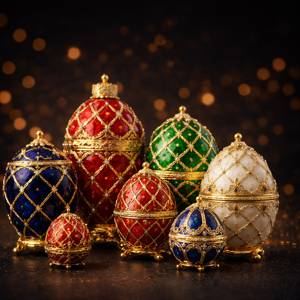
- Fabergé eggs, created in imperial Russia, became iconic Easter symbols made from gold, enamel, and precious stones
These traditions reinforced gold as a material associated with celebration, wealth, and spiritual significance.
3. Gold and the Theme of Renewal
Easter coincides with spring – a time of renewal. Gold’s warm, radiant colour mirrors:
- The sun returning after winter
- The brightness of longer days
- The energy of new beginnings
This symbolic overlap has helped maintain gold’s presence in Easter traditions, both religious and cultural.
Gold as a Modern Easter Gift
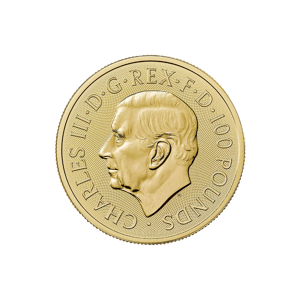
Today, Easter gifting has expanded beyond chocolate eggs and flowers. Increasingly, people are turning to gold as a meaningful and lasting alternative.
Why gold works as an Easter gift:
- Timeless value – unlike seasonal gifts, gold retains worth
- Symbolic meaning – represents life, continuity, and prosperity
- Compact and versatile – from coins to small bars or jewellery
Popular Easter gold gifts include:
- Small gold bars (e.g. 1g or 5g)
- Gold coins with symbolic designs
For families, gifting gold at Easter can mark important milestones, births, achievements, or simply the beginning of a new chapter.
Investment Trends Around Easter
Interestingly, Easter often coincides with seasonal shifts in financial markets.
Spring is historically associated with:
- Renewed investor activity after quieter winter months
- Portfolio rebalancing
- Increased interest in safe-haven assets like gold
In times of economic uncertainty, gold becomes even more attractive, offering stability, liquidity, and long-term security.
This aligns with Easter’s deeper message: renewal not just spiritually, but financially and personally as well.
Gold’s Enduring Role in Easter
While Easter traditions continue to evolve, gold remains a constant presence, bridging ancient symbolism with modern relevance.
It represents:
- Eternal life (religious meaning)
- Renewal and light (seasonal meaning)
- Wealth and security (modern financial meaning)
Few materials carry such a wide range of meanings while maintaining tangible value.

Quick Summary
- Easter symbolises renewal, resurrection, and new life
- Gold has long been associated with divinity, light, and eternity
- Historically used in religious ceremonies and royal Easter gifts
- Today, gold is gaining popularity as a meaningful Easter gift and investment
- Its symbolism aligns perfectly with Easter’s themes of hope, growth, and lasting value
Final Thought
Easter is really about moving forward, new beginnings and what comes next. Gold, with its lasting nature and timeless feel, fits naturally with that idea.
Whether it’s seen in a church, given as a gift, or held as an investment, gold still holds its place during a season centred on hope, renewal, and something that lasts.
Gold price (XAU-GBP)
3,589.56 GBP/oz
+ GBP71.16
Silver price (XAG-GBP)
56.88 GBP/oz
+ GBP0.11